תורה בדרכו של אלן וינר
Amalia Wiener
When you look at the story of Yosef and Yaakov in Parshat Va-Yiggash, there’s an emotional moment that has a deeper meaning than what seems to be happening on the surface. When the brothers come back from Egypt and tell Yaakov that Yosef is actually still alive, Yaakov literally freezes up. The Torah says his heart stood still (Bereshit 45:26). But then, as soon as he sees the wagons (agalot) that Yosef sent to bring him down to Egypt, something shifts, and the Torah says his spirit suddenly revived (Bereshit 45:27). Rabbi Reuben Bulka asks: Why did Yaakov have such an intense physical reaction? And what was so special about these wagons?
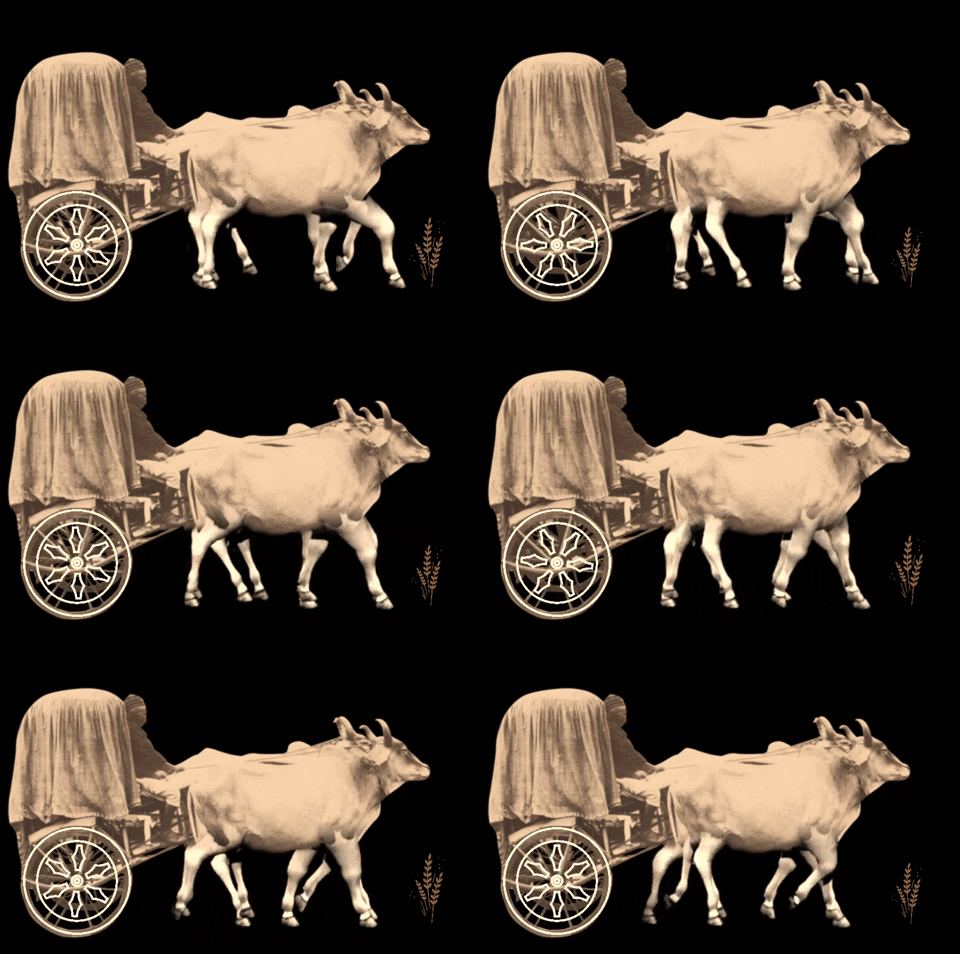
The answer comes down to a well-known connection in the Midrash (Bereshit Rabbah 94:3) between the word for wagon, agalah, and the Torah law of eglah arufah, the heifer brought when someone is lost or killed. Yosef wasn't just sending transportation; he was sending a secret code.
Most people who learn this Midrash assume that the “code” was simply that Eglah arufah was the very last topic of Torah he and his father had studied together right before Yosef vanished. So Yosef wanted to send his father a message that he still remembered the Torah, right up to the last topic they had happened to study together,
Rabbi Bulka says there's a much deeper message. There is a very strong and important reason why Eglah arufah was the last topic that Yaakov studied with Yosef before he sent him to check on the brothers. The Eglah arufah is a mitzva about the community’s responsibility for someone who goes out on a journey - The leaders can only bring the Eglah arufah if they truly have no responsibility for the person who was found dead. So Yaakov learned this sugya with Yosef before sending him out, to send him a message: "Don't worry, I am responsible for you.” For twenty-two years, Yaakov had been carrying this heavy, quiet guilt, feeling like it was his fault for sending Yosef out alone in the first place. Yosef using that specific hint was his way of saying, "I remember what you taught me, I know how much you cared, and I don't blame you at all." Seeing those wagons proved to Yaakov that not only was his son still alive physically, and the Mesora chain was intact, but also, importantly, that Yaakov was not accountable and should not feel guilty for the chain of events that had brought them back together. That’s what caused him to have such an intense physical reaction when he saw the agalot.
I believe this Dvar Torah has special relevance to our grandfather, הרב יוסף, because he has not only spent his life confirming and continuing the Masorah, but just like the original Yosef, he also has used clever props to deliver his messages 😜